Tips
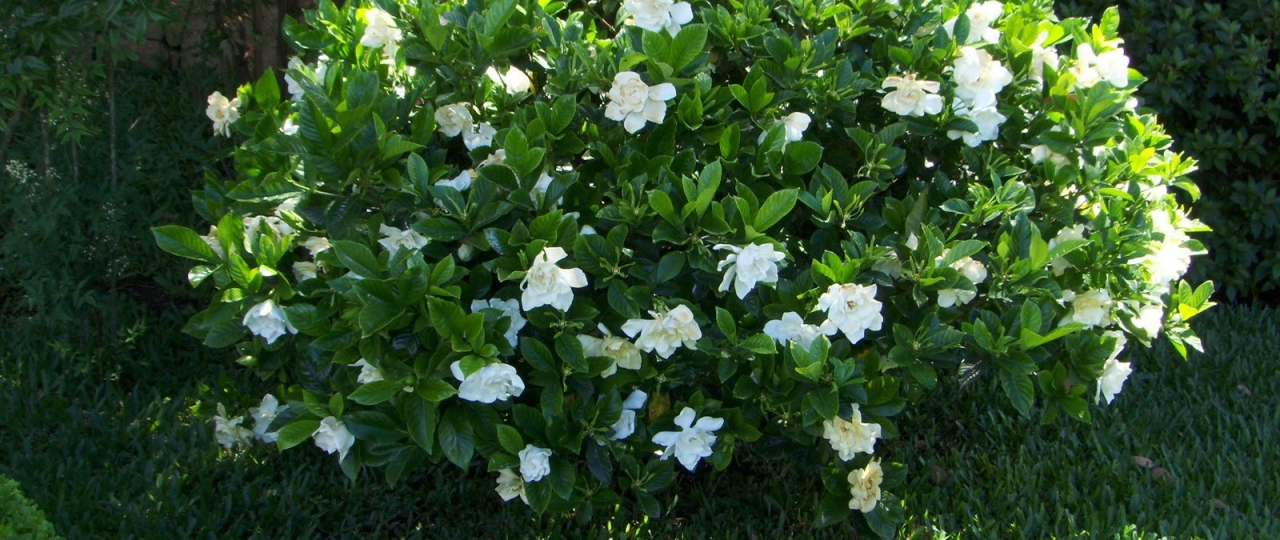
Gardenia is an angiosperm, dicotyledonous plant belonging to the family Erythrodanoides of the order Erythrodanidae. There are about 250 species that are evergreen shrubs and small trees. It originates from Africa and Asia. Most species are cultivated as ornamentals, mainly for their large flowers with their wonderful scent.
Description
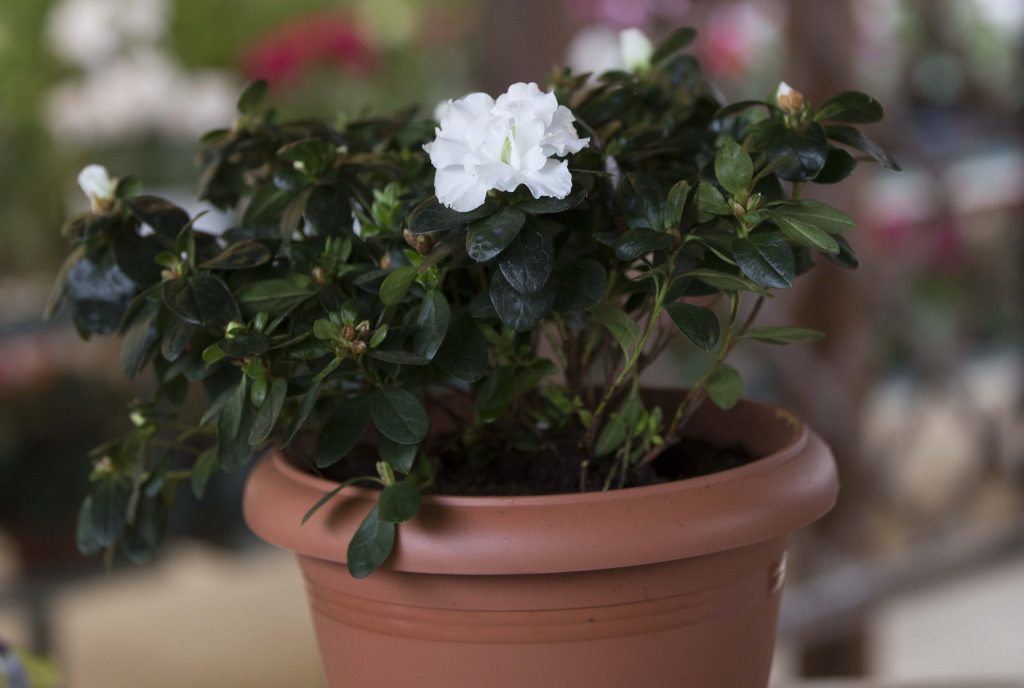
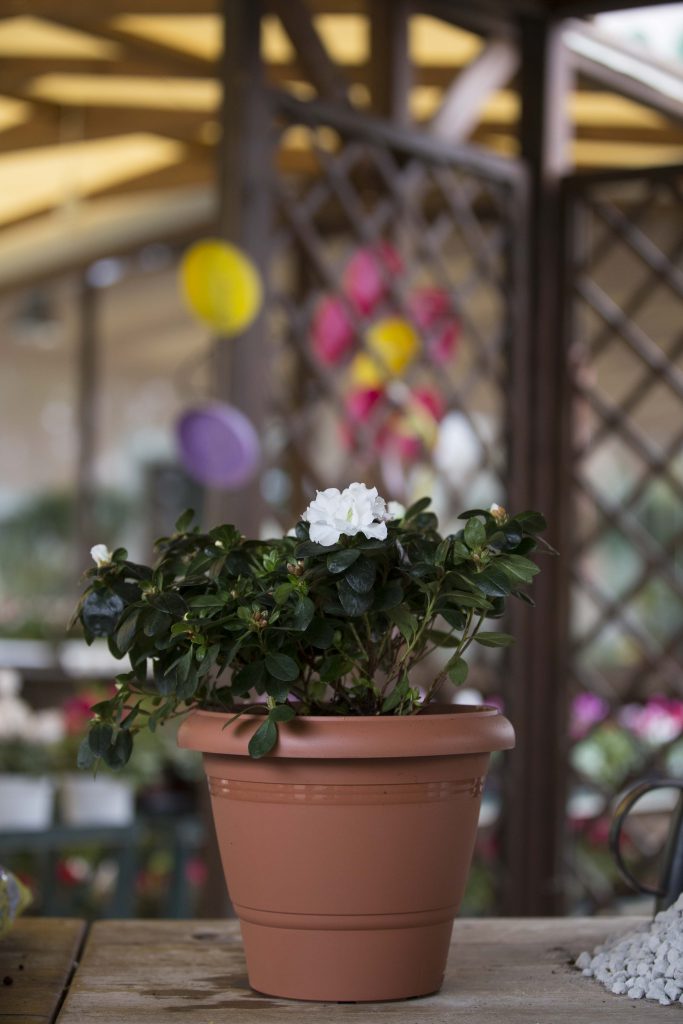
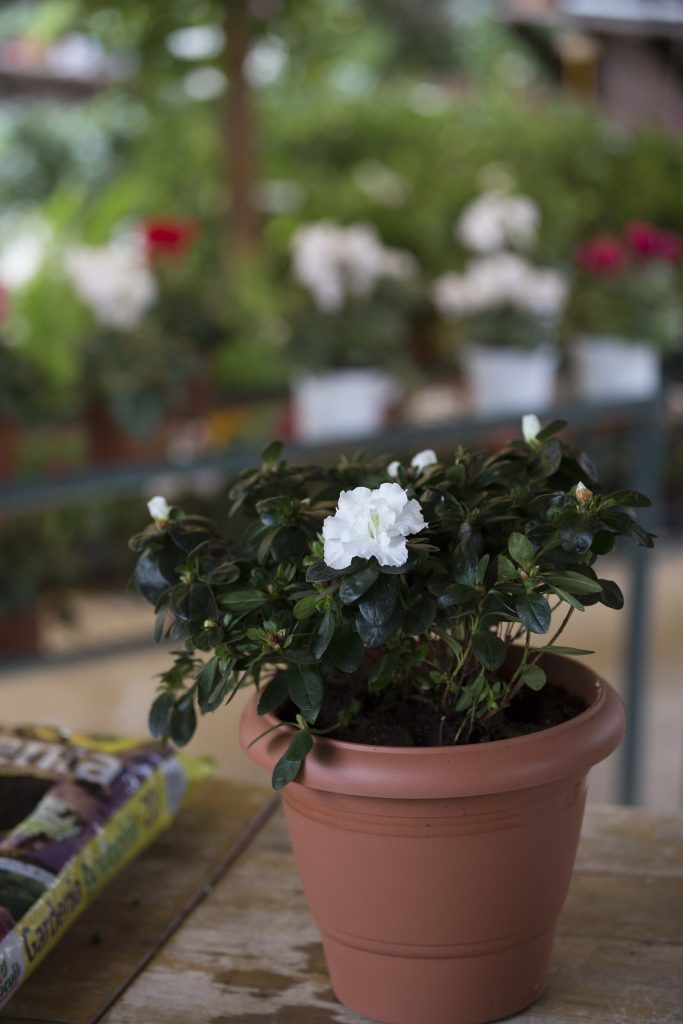
A shrub that reaches 1.5 meters in height with rich foliage consisting of beautiful round or lanceolate shiny green leaves and large, usually double, white, slightly waxy flowers with their exquisite aroma. It was named after the Scottish naturalist and agronomist Alexander Garden. It came to Greece from South Africa and is one of the most well-known and beloved ornamental plants.
It belongs to the acidophilic plants (camellia, hydrangea, azalea) and does not thrive in calcareous soil, but in slightly acidic. The best soil for gardenia is brown soil.
It is cultivated in pots and greenhouses, where it can produce flowers all year round. In its natural environment, it blooms from late spring to early autumn.
Gardenia is an extremely sensitive plant. It is mainly suitable for coastal areas. In winter, it cannot withstand the cold and needs protection, while when the weather is not cold, it is maintained all year round. The best temperature for the plant is 10°-13° C. The space must be sheltered, bright and have good ventilation. In summer, it cannot withstand high temperatures and must be placed in a shady place. It can also be maintained in partial exposure to the sun as long as there is enough humidity in the atmosphere.
Care
Gardenia requires special care to maintain. Its leaves should be sprayed regularly and dust washed off early in the morning or evening. It should be watered more frequently in summer and very little in winter. Excessive moisture can damage the plant.
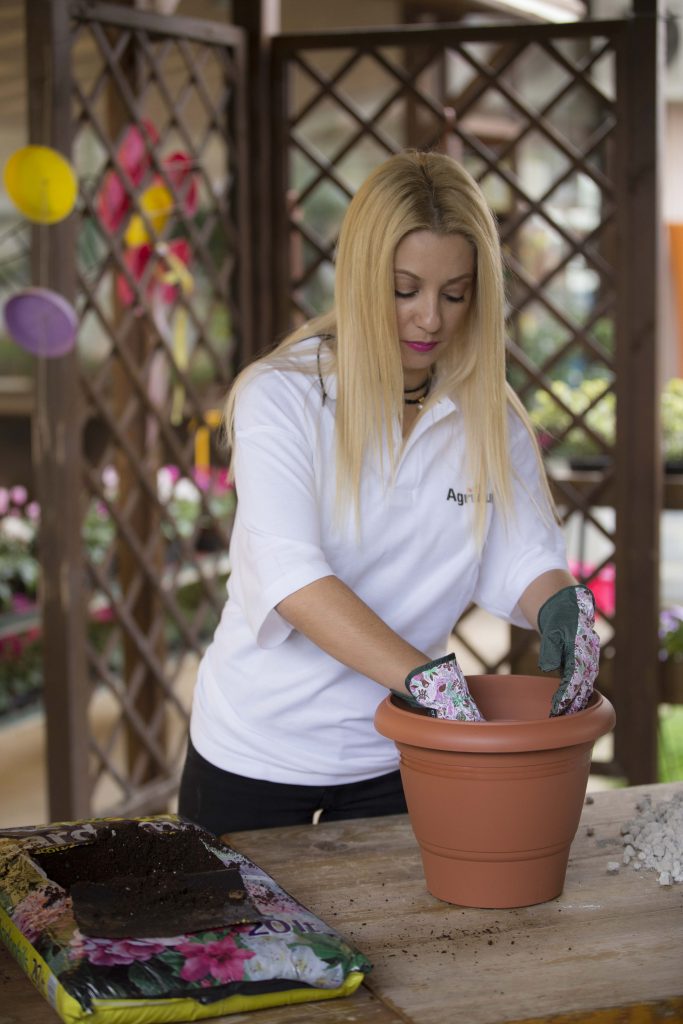
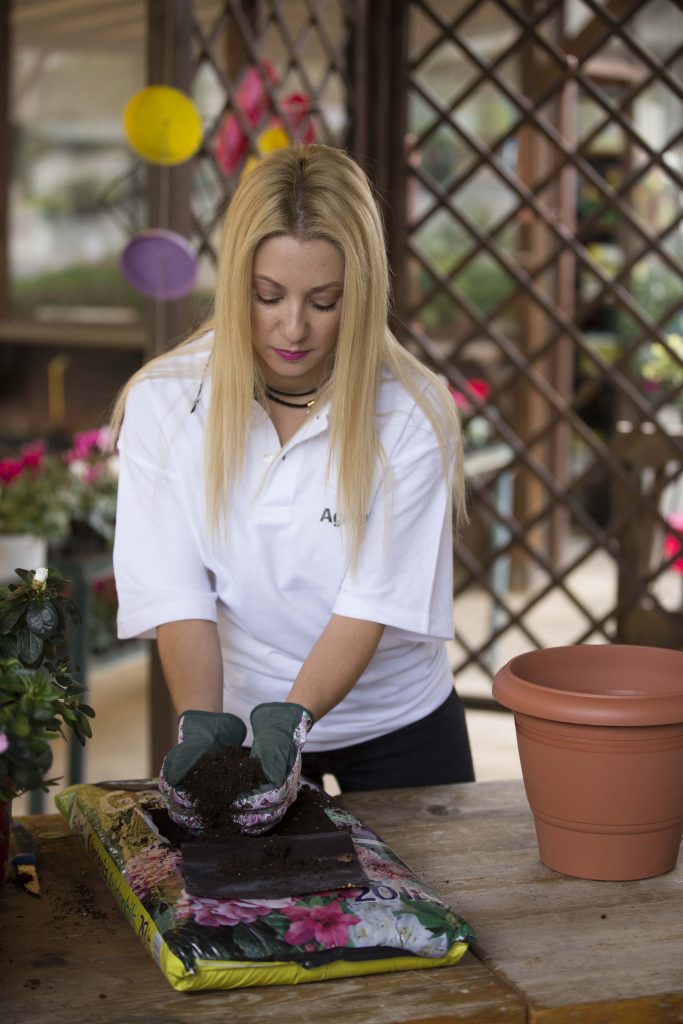
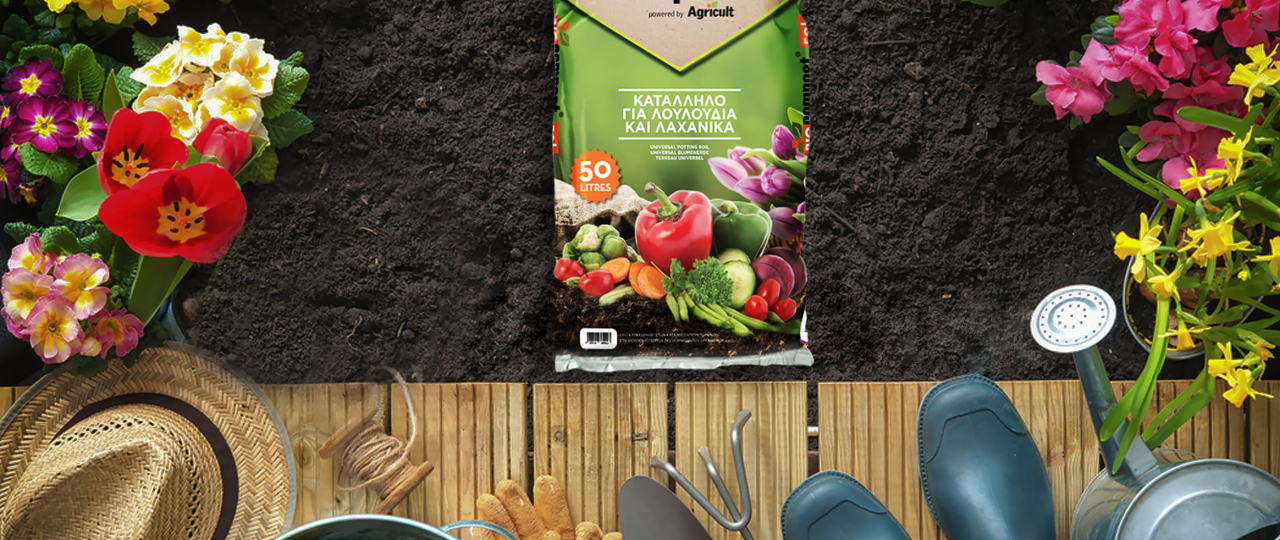
Our Gardenia potting soil is an ideal mixture of peat, soft, porous and full of all the nutrients needed by acidophiles, i.e. plants such as camellias, gardenias, hydrangeas, azaleas, rhododendrons, magnolias, etc., which require very acidic soils for their optimal growth.
For plants of these species, Gardenia potting soil should be used exclusively without any additional additions.
The water used for irrigation should not contain many salts. The plant is very vulnerable to sudden changes in environment and to moving (dropping of buds, leaves and drying of the plant). The pot should be changed every 2 years. Traditionally, a tin pot is preferred.